2025/02/04

Can Our Consciousness Transcend Time, And If So, What Secrets Will It Uncover?


Can Our Consciousness Transcend Time, And If So, What Secrets Will It Uncover?

 Imagine for a moment that you’re a time traveler, not in a flashy DeLorean or a TARDIS, but in the vast expanse of your own mind. As you navigate through the corridors of consciousness, you stumble upon an intriguing question: Can our consciousness transcend time? This notion dances tantalizingly at the edges of science and philosophy, inviting us on a whimsical adventure through the fabric of reality itself. Consciousness—our ability to think, feel, and perceive—is the lens through which we experience life, yet it remains one of the most enigmatic phenomena in existence. What if this very consciousness could stretch beyond the confines of time, revealing secrets hidden in the folds of the universe?
To embark on this intellectual escapade, we must first grasp the essence of consciousness. It is not merely a collection of thoughts or a series of brainwaves; it is the vibrant tapestry of our experiences, emotions, and perceptions. From the joy of a child's laughter to the profound reflections of a philosopher, consciousness shapes our understanding of the world. But then, there’s time—a slippery concept that scientists and thinkers have grappled with for centuries. Is time a linear river flowing steadily forward, or is it a vast ocean where past, present, and future coexist? This philosophical conundrum adds layers of complexity to our quest.
As we delve deeper, we encounter the tantalizing idea of transcending time. Could it be that through altered states of consciousness—like those experienced in meditation or near-death experiences—we might glimpse beyond the temporal veil? Imagine the possibilities: insights from the past illuminating our present, or visions of the future guiding our choices today. This exploration isn’t just a fanciful daydream; it has real implications for understanding our place in the universe.
So, why should we care about this cerebral journey? The purpose of our exploration is to unearth the potential of consciousness and its relationship with time, revealing the extraordinary secrets that lie in wait. In the following sections, we will traverse the intriguing landscape of consciousness, time, and the mysteries that intertwine them, all while sprinkling in delightful anecdotes and scientific revelations that will keep you engaged. Buckle up, dear reader, for this adventure promises to be as enlightening as it is entertaining!

The Nature of Consciousness
As we embark on our exploration of consciousness, we quickly discover that defining it is akin to trying to catch smoke with our bare hands. Is consciousness simply awareness—the ability to recognize our thoughts and surroundings? Or is it a more intricate dance of perception, where our senses weave together a rich tapestry of experiences? Each definition offers a glimpse into the kaleidoscopic nature of consciousness, inviting us to ponder how we perceive reality itself.
In the realm of science, consciousness has become the holy grail of inquiry, captivating neuroscientists and psychologists alike. Researchers peer into the brain's inner workings, unraveling the mysteries of neural networks and synaptic connections. They’ve discovered that consciousness isn’t just a byproduct of brain activity; it’s a complex interplay of processes that shape our thoughts, emotions, and actions. For instance, studies using fMRI technology have shown how different regions of the brain light up during moments of insight or creativity, revealing the brain's astonishing capacity for consciousness.
But what about the philosophical musings that have echoed through the ages? Enter dualism and materialism, two titans of thought wrestling with the essence of consciousness. Dualism posits that consciousness exists separately from the physical body, suggesting we are more than mere biological machines. In contrast, materialism argues that consciousness is entirely rooted in our physical being, a product of neurons firing and chemicals swirling. This debate raises tantalizing questions: If consciousness can exist separately, could it transcend time?
As we delve deeper, we find that consciousness is intricately linked to our perception of time. Have you ever noticed how time seems to stretch during moments of joy or contract during periods of boredom? Our consciousness plays a crucial role in shaping these experiences, influencing how we perceive the passage of time. This connection hints at the possibility that if we can alter our consciousness, we might also alter our experience of time itself.
Speaking of alterations, let’s explore the fascinating world of altered states of consciousness. From the serene depths of meditation to the whimsical landscapes of dreams, these experiences offer profound insights into the nature of our minds. Meditation, for instance, has been shown to expand awareness, leading practitioners to experience time differently—sometimes feeling as though hours have passed in mere minutes. Dreams, too, transport us to realms where time loses its grip, allowing us to confront our fears and desires in a boundless space.
These glimpses into altered states not only enrich our understanding of consciousness but also suggest that there may be a gateway to transcending time itself. As we continue our journey, we’ll uncover how these experiences might unlock the secrets of existence, inviting us to ponder the extraordinary potential of our consciousness.

The Concept of Time
As we shift our focus to the concept of time, we find ourselves at a crossroads of science and philosophy, where the ticking clock meets the contemplative mind. Time, in its essence, is a fundamental aspect of our reality, yet its nature is anything but straightforward. In the scientific arena, we encounter two contrasting views: Newtonian and Einsteinian time. Newton, with his classical approach, envisioned time as an absolute, unchanging entity, flowing uniformly like a river, unaffected by the events occurring within it. This linear perspective painted a picture of time as a relentless march forward, where past, present, and future are distinct and separate.
However, along came Einstein, shaking the very foundations of our understanding with his theory of relativity. He proposed that time is not a constant; rather, it bends and warps in response to gravity and speed. Imagine time as a stretchy rubber band, expanding and contracting based on the forces acting upon it. This revolutionary idea invites us to consider time as a malleable fabric, interwoven with the very fabric of space. Suddenly, the notion of transcending time doesn’t seem so far-fetched!
Transitioning from the scientific to the philosophical, we encounter diverse interpretations of time. Is it linear, a straight path from birth to death, or is it cyclical, repeating in endless loops like the seasons? Many ancient cultures embraced cyclical time, viewing existence as a continuous cycle of birth, death, and rebirth. This perspective allows for a more fluid understanding of life, where events are interconnected rather than isolated. It raises intriguing questions about how our consciousness interacts with these different perceptions of time.
Time also plays a crucial role in shaping human experience and consciousness. Our memories anchor us to the past, while our aspirations propel us into the future. The present moment, however, is where our consciousness resides, a fleeting instant that slips through our fingers like sand. This interplay between past, present, and future influences our emotions, decisions, and sense of self, making time an essential element of our existence.
Cultural variations in the perception of time further enrich this tapestry. In Western societies, time is often viewed as a commodity—something to be managed and optimized. In contrast, many Indigenous cultures perceive time as a more fluid concept, emphasizing the importance of being present and connected to nature. This divergence in understanding highlights how our cultural backgrounds shape our relationship with time and, consequently, our consciousness.
Finally, let’s plunge into the realm of time travel theories, which tantalize our imaginations and challenge our understanding of consciousness. From H.G. Wells’ literary escapades to modern scientific hypotheses, the idea of traveling through time raises profound implications. What if we could revisit our past or glimpse the future? How would this ability transform our consciousness and our understanding of existence? These questions not only spark our curiosity but also hint at the extraordinary potential of consciousness to transcend the limitations imposed by time. As we continue our journey, we’ll delve deeper into these mysteries, exploring how the interplay of consciousness and time might unlock the secrets of our universe.

Historical Perspectives on Consciousness and Time
As we journey through the annals of history, we uncover a rich tapestry of thoughts and beliefs surrounding consciousness and time. Ancient philosophies, particularly from Eastern traditions, offer profound insights that challenge our modern perceptions. In Hinduism, for instance, time is often seen as cyclical, with the universe undergoing endless cycles of creation and destruction. This view aligns with the concept of Maya, or illusion, suggesting that our perception of time is but a fleeting glimpse of a deeper, eternal reality. Such perspectives invite us to contemplate how consciousness interacts with this cyclical nature of existence.
Similarly, in Buddhism, the notion of impermanence emphasizes the transient nature of time and experience. The practice of mindfulness encourages individuals to remain present, fostering a deeper awareness of the moment. This focus on the present can lead to insights that transcend ordinary perceptions of time, suggesting that consciousness can unlock a more profound understanding of existence.
Transitioning to the realm of Western thought, we encounter notable thinkers who have grappled with the intersection of time and consciousness. Albert Einstein, with his groundbreaking theories, not only reshaped our understanding of the physical universe but also hinted at the interconnectedness of time and perception. His famous quote, “Time is an illusion,” challenges us to reconsider how we experience reality. Meanwhile, Immanuel Kant proposed that time is a fundamental structure of human experience, suggesting that our consciousness shapes our understanding of time itself.
The philosophical musings of Georg Wilhelm Friedrich Hegel further deepen this exploration. Hegel viewed time as a manifestation of the dialectical process, where consciousness evolves through a series of contradictions and resolutions. This perspective paints time as a dynamic force, intricately linked to the development of human thought and experience, suggesting that our consciousness is constantly evolving in tandem with our understanding of time.
Throughout history, accounts of mystical experiences have also hinted at the possibility of transcending time. From the visions of ancient sages to the ecstatic states of modern mystics, these experiences often describe a sense of timelessness—a profound connection to a reality beyond the constraints of ordinary experience. Such accounts resonate with those who have encountered altered states of consciousness, suggesting that there may be pathways to experiencing time differently.
Moreover, literature and art have played a pivotal role in shaping our understanding of consciousness and time. From the timeless works of Shakespeare to the surreal landscapes of Salvador Dalí, creative expressions have explored the fluidity of time and the intricacies of human consciousness. These artistic endeavors challenge us to reflect on our perceptions and invite us to experience time in new and imaginative ways.
Finally, the evolution of scientific theories about consciousness and time over the centuries reveals a fascinating journey from rigid, mechanistic views to more fluid and interconnected understandings. As we continue to unravel the mysteries of consciousness and time, we find ourselves standing on the shoulders of giants—philosophers, scientists, and artists alike—who have paved the way for our exploration. With each new insight, we inch closer to grasping the extraordinary relationship between consciousness and the enigmatic flow of time.

The Potential for Transcendence
As we delve into the potential for transcendence, we find ourselves at the intersection of consciousness and time, where extraordinary theories and practices suggest that our awareness can indeed surpass the limitations of temporal existence. One of the most captivating phenomena in this realm is the near-death experience (NDE). Individuals who have undergone NDEs often report feelings of profound peace, a sense of detachment from their physical bodies, and experiences that seem to transcend time altogether. Many describe life reviews, where they perceive significant moments from their lives in a non-linear fashion, highlighting the possibility that consciousness can operate beyond the constraints of time.
In addition to NDEs, practices such as meditation and mindfulness offer pathways to altering our perception of time. Through focused attention and deep relaxation, practitioners often report a sense of timelessness during meditation, where minutes can feel like hours. This altered state of consciousness not only enhances awareness but also fosters a deeper connection to the present moment. Research has shown that regular meditation can lead to changes in brain structure and function, potentially reshaping how we experience time. As we cultivate mindfulness, we may unlock the ability to experience life more fully, transcending the relentless march of time.
Scientific inquiry into consciousness has also led to intriguing theories regarding its non-local properties, particularly within the framework of quantum mechanics. Some researchers propose that consciousness may not be confined to the brain but could exist in a non-local field, suggesting a fundamental interconnectedness of all beings across time and space. This idea resonates with certain interpretations of quantum theory, which challenge our traditional notions of reality and encourage us to consider the possibility that consciousness operates outside the boundaries of time. Such theories not only broaden our understanding of consciousness but also open the door to a new paradigm of existence.
The concept of collective consciousness further enriches our exploration of transcendence. This idea posits that humanity shares a collective pool of knowledge and experiences that transcend individual lives. Events such as cultural movements or collective memories can illustrate how shared experiences shape our understanding of time and consciousness. When groups come together in shared intention or purpose, they can create a powerful resonance that transcends individual experiences, suggesting that our consciousness may be intricately linked across time.
Looking ahead, the potential for future research in understanding consciousness and time is vast and exciting. As technology advances, we may develop new tools to explore the depths of consciousness, such as brain imaging techniques that allow us to observe changes in consciousness during altered states. Additionally, interdisciplinary approaches that combine neuroscience, psychology, philosophy, and quantum physics could yield groundbreaking insights into the nature of consciousness and its relationship with time.
Ultimately, as we continue to investigate these profound questions, we may uncover not only the mysteries of our own consciousness but also the potential for transcending time itself. This journey promises to deepen our understanding of what it means to be human, inviting us to explore the extraordinary possibilities that lie beyond the confines of our temporal existence.

Secrets Uncovered Through Transcendence
As we explore the secrets uncovered through transcendence, we begin to glimpse profound insights into the nature of reality and existence that extend beyond the conventional understanding of time. Many who have experienced transcendent states report a deep realization that the boundaries separating past, present, and future are illusory. In these moments, time seems to dissolve, revealing a more intricate tapestry of existence where all moments coexist simultaneously. This perspective invites us to reconsider our relationship with reality, suggesting that what we perceive as linear is merely a narrow interpretation of a much richer, multidimensional experience.
Moreover, transcendent experiences often illuminate the interconnectedness of all beings. When individuals tap into these states, they frequently report feelings of unity with others and the universe at large. This sense of oneness fosters a deep understanding that our individual lives are woven into a greater collective fabric. Such realizations can inspire compassion and empathy, reminding us that our actions resonate beyond our immediate surroundings. The awareness of this interconnectedness has the potential to transform how we relate to one another, prompting a shift from isolation to a sense of shared purpose and responsibility.
The potential for healing and personal transformation through altered states of consciousness is another significant revelation. Many therapeutic practices, including psychedelic therapy and breathwork, harness these states to facilitate profound healing experiences. Individuals often confront deep-seated traumas, gaining insights that lead to emotional release and renewal. This transformative power underscores the importance of exploring consciousness as a means of fostering psychological well-being, suggesting that transcendence can serve as a catalyst for profound personal growth.
In addition to personal healing, transcendent experiences can unveil universal truths and wisdom that span past, present, and future perspectives. Participants in these states often report insights that feel timeless, as if they are tapping into a collective reservoir of knowledge. Such revelations can provide clarity on life’s fundamental questions, offering guidance that transcends individual experience. This wisdom can inform our choices, helping us navigate the complexities of life with a deeper understanding of our purpose and interconnectedness.
The impact of these insights on human behavior, society, and spirituality is profound. As more individuals embrace the lessons learned through transcendence, we may witness a shift in collective consciousness—a movement toward greater awareness, compassion, and sustainability. These changes could foster a more harmonious society, one that prioritizes well-being and interconnectedness over competition and division.
Additionally, the integration of these insights into spiritual practices can lead to a renaissance of spiritual exploration, where individuals seek not only personal enlightenment but also a deeper connection with the cosmos and each other. This evolving understanding of consciousness and time encourages us to embrace the mysteries of existence, inviting us to explore the depths of our being and the interconnected web of life that surrounds us.
As we continue to uncover these secrets through transcendence, we embark on an extraordinary journey—one that promises to reshape our understanding of reality and illuminate the path toward a more unified and compassionate existence.


In concluding our exploration of consciousness and time, we find ourselves reflecting on the profound insights that have emerged throughout this journey. We have examined historical perspectives, from ancient philosophies to modern scientific theories, revealing a rich tapestry of thought that challenges our conventional understanding. We have delved into the potential for transcendence, uncovering how altered states of consciousness can lead to transformative experiences that transcend the limitations of time. Through these explorations, we have recognized the interconnectedness of all beings and the universal truths that emerge from transcendent experiences.
The significance of exploring consciousness and time cannot be overstated. As we grapple with the complexities of existence, understanding the nature of consciousness offers us a pathway to deeper self-awareness and insight into the universe around us. This exploration is not merely an academic pursuit; it is a journey toward personal and collective awakening. The insights gleaned from transcendent experiences have the power to foster compassion, heal emotional wounds, and inspire a sense of unity among all beings.
Moreover, the ongoing quest to understand the mysteries of consciousness continues to captivate researchers, philosophers, and spiritual seekers alike. As we advance in our scientific understanding and embrace interdisciplinary approaches, we stand on the brink of potentially groundbreaking revelations. Each discovery brings us closer to unraveling the intricate relationship between consciousness and time, inviting us to reconsider our place within the cosmos.
We invite you to join us in this exploration. Whether through personal practice, academic inquiry, or simply engaging in thoughtful discussion, there is much to be gained from delving into the mysteries of consciousness. Your insights and experiences are valuable contributions to this ongoing dialogue. We encourage you to share this exploration with others, to spark conversations that might illuminate new perspectives and foster deeper understanding.
As we close this chapter, let us hold onto the potential for consciousness to reveal deeper truths about our existence. The journey is far from over; it is an invitation to remain curious, to question, and to seek. Together, we can uncover the secrets that lie within and beyond, illuminating our path toward greater awareness and connection. If you found this exploration enlightening, please like, share, and comment below. Your thoughts and engagement are essential in fostering a community dedicated to understanding the profound nature of consciousness and time. Let us embark on this journey together, discovering the extraordinary possibilities that await us.


The Universe's Endless Expansion: What Is Confounding Scientists?


The Universe's Endless Expansion: What Is Confounding Scientists?

 Imagine standing in your backyard, gazing up at the night sky, where countless stars twinkle like diamonds scattered across a velvet canvas. Now, what if I told you that those stars are not just sitting still, but are actually racing away from you at breakneck speeds? Yes, you heard that right! The universe is expanding, and it’s not just a casual stroll; it’s more like a cosmic sprint! But what does this mean for us, mere mortals, and why should we care? Buckle up, because we’re about to embark on a thrilling adventure through the cosmos!
To kick things off, let’s define this grand phenomenon known as the universe's expansion. Simply put, it refers to the idea that space itself is stretching, causing galaxies to move farther apart from each other over time. This revelation, first hinted at by the brilliant Edwin Hubble in the 1920s, turned the scientific community upside down. Imagine the shockwaves rippling through the halls of academia when it was discovered that our universe is not static but dynamic—a concept that would make even the most stoic philosophers scratch their heads in disbelief!
As we journey through the annals of cosmological discoveries, we encounter fascinating milestones, from the Big Bang theory to the discovery of cosmic microwave background radiation. Each revelation has added a piece to the cosmic puzzle, highlighting the importance of understanding how and why our universe is expanding. After all, if we can grasp the mechanics of this expansion, we might just unlock the secrets of existence itself—like the ultimate cheat code to life, the universe, and everything!
Currently, scientists have reached a consensus that the universe is expanding at an accelerating rate, thanks to a mysterious force dubbed “dark energy.” It’s like the universe is on a never-ending treadmill, pushing galaxies away faster and faster! But hold onto your telescopes, because this leads us to a plethora of confounding questions that leave even the brightest minds scratching their heads. Why is this expansion accelerating? What exactly is dark energy? And, perhaps most intriguingly, how does this cosmic phenomenon relate to our everyday lives?
So, dear reader, as we delve deeper into the mysteries of the universe's endless expansion, prepare to have your mind expanded along with it. Who knows what revelations await us in the vastness of space? Let’s embark on this scientific quest together, where curiosity reigns supreme and the only limit is our imagination!

The Evidence for Expansion
As we set sail further into the cosmic ocean, let’s hoist our sails and dive into the compelling evidence that supports the universe's expansion. Our first stop is Hubble's Law, named after the legendary astronomer Edwin Hubble himself, who, in the 1920s, made a groundbreaking discovery that would change our understanding of the cosmos. Hubble observed that galaxies are moving away from us, and the farther they are, the faster they seem to be receding. This relationship is beautifully captured in Hubble's Law, which states that the velocity of a galaxy is directly proportional to its distance from us. Think of it like a cosmic race: the farther away a competitor is, the faster they seem to be sprinting! This redshift phenomenon, where light from distant galaxies shifts to longer wavelengths, is the universe’s way of waving goodbye as it expands.
But wait—there’s more! Let’s turn our telescopes towards the Cosmic Microwave Background (CMB), which is like the echo of the Big Bang itself. Discovered in 1965, this faint glow of radiation fills the universe and provides a snapshot of the cosmos when it was just a mere baby, about 380,000 years old. The CMB is a treasure trove of information, revealing the universe's early conditions and supporting the theory of expansion. Picture it as the universe’s baby photo, showing us how it all began and giving us clues about its growth spurt!
Now, let’s light up the night sky with Type Ia supernovae—stellar explosions that are not only spectacular but also serve as reliable beacons in our quest for cosmic knowledge. These supernovae have a consistent brightness, making them perfect “standard candles” for measuring astronomical distances. By observing these brilliant flashes, astronomers can determine how far away they are, helping us map the universe and confirm its expansion. It’s like having a cosmic ruler that helps us measure just how vast our universe really is!
As we continue our cosmic journey, we can’t overlook the importance of galaxy clustering. By analyzing how galaxies group together, scientists can glean insights into the universe's structure and expansion rate. These clusters act like cosmic traffic jams, where the density of galaxies can reveal the underlying forces at play in the fabric of space. It’s a bit like watching a crowded highway; the patterns of movement tell us a lot about what’s happening in the universe!
Finally, let’s give a round of applause to the advanced telescopes and technology that have revolutionized our understanding of the cosmos. From the Hubble Space Telescope to the upcoming James Webb Space Telescope, these instruments allow us to peer deeper into the universe than ever before. With their powerful lenses and sophisticated sensors, they capture breathtaking images and data, enabling scientists to unravel the mysteries of cosmic expansion. It’s like upgrading from a magnifying glass to a high-definition camera—suddenly, the universe is more vivid and full of secrets waiting to be discovered!
As we wrap up this leg of our journey, it’s clear that the evidence for the universe's expansion is as compelling as it is fascinating. Each piece of data, from Hubble's Law to the latest telescopic discoveries, adds another layer to our understanding of the cosmos. So, let’s keep our eyes on the stars and our minds open to the wonders that lie ahead!

Dark Energy: The Great Mystery
As we venture deeper into the cosmic labyrinth, we encounter a shadowy figure lurking in the background—dark energy. This enigmatic force is like the universe's best-kept secret, and understanding it is crucial for unraveling the mysteries of cosmic expansion. So, what exactly is dark energy? In simple terms, it’s a mysterious form of energy that permeates all of space and drives the accelerated expansion of the universe. Discovered in the late 1990s through observations of distant supernovae, dark energy was a plot twist that left scientists scratching their heads, wondering how something so elusive could have such a profound impact!
Now, let’s delve into the role of dark energy in this frenzied expansion. Imagine the universe as a balloon being inflated. Dark energy acts like the air being pumped into that balloon, causing it to expand at an ever-increasing rate. This acceleration is what makes dark energy so perplexing; it’s as if the universe has a mind of its own, deciding to stretch out faster and faster! This runaway expansion raises questions about the fundamental nature of gravity and the forces at play in our cosmos.
But what do we actually know about dark energy? Current theories propose that it makes up about 68% of the universe, yet its true nature remains elusive. Some scientists suggest that dark energy could be a property of space itself, while others theorize it might be a dynamic field that changes over time. It’s a bit like trying to catch smoke with your bare hands—no matter how hard you try, it slips away just as you think you’ve grasped it!
As we navigate this cosmic enigma, we face significant challenges in detecting and measuring dark energy. Unlike ordinary matter, which interacts with light and can be observed directly, dark energy is invisible and doesn’t emit or absorb light. This makes it incredibly difficult to study! Scientists rely on indirect methods, such as observing its effects on galaxy clusters and the cosmic microwave background, but it’s like trying to figure out the flavor of a dish by only smelling it—frustrating and tantalizing at the same time!
The implications of dark energy for the future of the universe are nothing short of mind-boggling. If dark energy continues to drive the universe's expansion, we may be heading towards a fate known as the “Big Freeze,” where galaxies drift apart, stars burn out, and the universe becomes a cold, dark place. Alternatively, if dark energy evolves, it could lead to other scenarios, like the “Big Rip,” where the very fabric of space-time is torn apart. It’s like watching a cosmic thriller where the ending is still being written!
As we conclude this chapter on dark energy, it’s clear that this great mystery is both fascinating and essential for understanding our universe. The more we learn, the more questions arise, igniting our curiosity and fueling our quest for knowledge. So, let’s keep our eyes peeled and our minds open, because in the realm of dark energy, the adventure has only just begun!

The Fate of the Universe
As we gaze into the abyss of space, we can’t help but wonder: what is the ultimate fate of the universe? This question has captivated the minds of scientists and philosophers alike for centuries. With our understanding of cosmic expansion and dark energy, we can sketch out several intriguing scenarios that outline the potential destinies awaiting our universe. Buckle up, because the cosmic ride is about to get thrilling!
First up is the Big Freeze, a chilling scenario where the universe continues to expand indefinitely. In this model, galaxies drift apart, stars exhaust their nuclear fuel, and the cosmos gradually cools down to a frigid state. Imagine a universe where time stretches infinitely, and the once vibrant stars fade into darkness, leaving behind a cold, desolate expanse. This scenario is a haunting reminder of the impermanence of existence, as the universe slowly succumbs to entropy.
But wait—there’s another possibility! Enter the Big Crunch, a dramatic reversal of the universe's expansion. In this scenario, the gravitational pull of matter eventually overcomes the force of dark energy, causing the universe to collapse back in on itself. Picture a cosmic implosion, where galaxies, stars, and planets are drawn together in a cataclysmic finale. The universe would end in a fiery embrace, potentially leading to a new Big Bang and the cycle of rebirth. It’s a cosmic dance of creation and destruction that echoes the rhythms of life itself.
Then we have the Big Rip, a more chaotic and alarming fate. In this scenario, dark energy continues to accelerate the expansion of the universe to the point where it tears apart galaxies, stars, and even atoms. Imagine a universe unraveling at the seams, where the very fabric of space-time is shredded like a fragile tapestry. This apocalyptic vision raises profound questions about the nature of existence and the limits of our understanding.
The influence of expansion on these scenarios cannot be overstated. As we’ve seen, dark energy plays a pivotal role in determining whether the universe will expand forever, collapse, or rip apart. Current models suggest that dark energy is driving the universe towards the Big Freeze, but the future remains uncertain. The universe is a complex tapestry woven from countless threads, and each discovery adds depth to our understanding of its fate.
As we ponder these cosmic destinies, we must also confront the philosophical implications of the universe's fate. What does it mean for our existence if the universe is destined to fade into darkness? How do these scenarios shape our understanding of time, life, and the universe itself? The contemplation of our cosmic end invites us to reflect on the significance of our lives and the choices we make.
In the grand tapestry of existence, the fate of the universe is a profound narrative that intertwines science and philosophy. Whether we face a Big Freeze, a Big Crunch, or a Big Rip, the journey is as important as the destination. So let us embrace the mysteries of the cosmos, for in exploring the fate of the universe, we uncover the essence of our own humanity!

Confounding Questions Facing Scientists
As we journey through the cosmos, we find ourselves confronted with a series of confounding questions that challenge our understanding of the universe. These queries not only test the limits of our knowledge but also inspire new avenues of research and exploration. Let’s dive into these perplexing questions that keep scientists awake at night!
First and foremost, we must grapple with the question: why is the rate of expansion increasing? Despite our observations of distant galaxies receding from us, the underlying mechanics driving this accelerated expansion remain shrouded in mystery. Dark energy is the leading candidate, but its nature is still elusive. Why does this enigmatic force push galaxies apart instead of pulling them together? Understanding the fundamental reasons behind this acceleration could unlock the secrets of the cosmos and reshape our understanding of physics itself.
As we ponder this mystery, we can’t help but wonder: are there alternative theories to dark energy? While dark energy has gained traction as the most plausible explanation for the universe’s accelerated expansion, some scientists propose different models. For instance, modifications to general relativity or the existence of additional dimensions could account for the observations we see. These alternative theories challenge the status quo and encourage us to think outside the box, pushing the boundaries of our scientific imagination.
Another intriguing question arises when we consider how expansion relates to quantum mechanics. The interplay between the vastness of cosmic expansion and the peculiarities of quantum behavior is a frontier waiting to be explored. Can quantum fluctuations influence the large-scale structure of the universe? How might a quantum understanding of gravity reconcile with the expansion of space? These questions bridge the gap between two realms of physics, inviting collaboration between cosmologists and quantum theorists.
Speaking of gravity, what is its role in an expanding universe? Traditionally, gravity has been viewed as a force that pulls matter together, yet the universe is expanding. How do we reconcile this apparent contradiction? Understanding gravity’s influence on cosmic dynamics is crucial for developing a comprehensive model of the universe. Does gravity weaken over vast distances, or is there a deeper connection between gravity and dark energy that we have yet to uncover?
Lastly, we face the challenge of reconciling observations with theoretical models. As we gather more data from advanced telescopes and experiments, discrepancies between what we observe and what our models predict often arise. How do we adjust our theories to accommodate new findings without discarding the foundational principles of physics? This delicate balance is at the heart of scientific inquiry, pushing us to refine our understanding and adapt our models to align with the ever-evolving landscape of cosmic knowledge.
the questions facing scientists in the realm of cosmic expansion are as vast and intricate as the universe itself. Each query presents an opportunity for discovery, urging us to delve deeper into the mysteries of existence. As we seek answers, we not only expand our understanding of the universe but also our grasp of our place within it. So, let us embrace these confounding questions, for they are the catalysts that drive the pursuit of knowledge and illuminate the path to the unknown!

Future Directions in Cosmology
As we stand on the precipice of a new era in cosmology, the future is brimming with exciting possibilities. Scientists around the globe are gearing up for groundbreaking missions and experiments aimed at unraveling the mysteries of cosmic expansion. With each new endeavor, we inch closer to understanding the enigmatic forces that shape our universe. Let’s explore the promising directions that lie ahead in the field of cosmology!
One of the most anticipated upcoming missions is the James Webb Space Telescope (JWST), which is set to revolutionize our understanding of the universe. With its advanced infrared capabilities, JWST will allow astronomers to observe the earliest galaxies formed after the Big Bang, providing crucial insights into the rate of expansion and the role of dark energy. In addition to JWST, other missions like the European Space Agency’s Euclid satellite and NASA’s Wide Field Infrared Survey Telescope (WFIRST) are poised to map the universe’s structure and measure the effects of dark energy with unprecedented precision.
However, the quest for knowledge in cosmology is not a solitary endeavor. The importance of collaboration among international scientists cannot be overstated. As the universe knows no borders, so too must our research efforts transcend geographical boundaries. Collaborative projects like the Large Synoptic Survey Telescope (LSST) bring together experts from various fields and countries, fostering a spirit of unity in the pursuit of understanding. By pooling resources and expertise, we can tackle the complex questions surrounding cosmic expansion more effectively.
Technological advancements play a pivotal role in aiding cosmological research as well. Innovations in data processing, artificial intelligence, and imaging techniques are transforming how we analyze and interpret astronomical data. These tools enable scientists to sift through vast amounts of information, uncovering patterns and anomalies that might otherwise go unnoticed. As technology continues to evolve, it opens new doors to exploration and discovery, enhancing our ability to study the cosmos.
The potential for new discoveries in understanding dark energy is particularly thrilling. As we refine our observational techniques and develop more sophisticated theoretical models, we may uncover entirely new aspects of dark energy that challenge our current understanding. Could dark energy be a manifestation of a more complex underlying physics? The answers lie waiting to be discovered, and the excitement of the unknown propels us forward.
Lastly, the significance of public interest and funding in cosmological research cannot be overlooked. Engaging the public in the wonders of the universe fosters a culture of curiosity and support for scientific endeavors. Increased funding allows for more ambitious projects and the development of cutting-edge technology. When society values and invests in scientific exploration, it paves the way for groundbreaking discoveries that enrich our understanding of the universe.
In conclusion, the future directions in cosmology are filled with promise and potential. As we embark on new missions, foster collaboration, embrace technological advancements, and nurture public interest, we position ourselves to unlock the secrets of cosmic expansion and dark energy. The journey ahead is not just about answering questions; it’s about igniting wonder and inspiring generations to look up at the stars and ponder the mysteries of existence. Together, we are poised to explore the vastness of the universe and discover what lies beyond the horizon of our current understanding!

As we reach the end of our exploration into the vast and intriguing topic of the universe's expansion, it's essential to recap the key points that illustrate its significance. The universe is not a static entity; it is a dynamic and ever-expanding cosmos, shaped by forces that challenge our understanding. From the initial moments of the Big Bang to the present day, the expansion of the universe has profound implications for everything from the formation of galaxies to the fate that awaits us in the distant future. This cosmic dance is not merely an abstract concept; it is a fundamental aspect of our existence, influencing the very fabric of reality.
The ongoing quest for understanding and knowledge in the realm of cosmology is a testament to humanity’s insatiable curiosity. Each discovery leads to new questions, propelling us further into the mysteries of the cosmos. As we delve deeper into the nature of dark energy and the mechanics of cosmic expansion, we are reminded that our pursuit of knowledge is a journey without a definitive endpoint. The more we learn, the more we realize how much remains to be uncovered, driving scientists and enthusiasts alike to seek answers to the universe's most profound questions.
Addressing the confounding questions that arise in our study of the universe is crucial for advancing our understanding. Why is the rate of expansion increasing? What role does gravity play in this expansive dance? How can we reconcile observations with theoretical models? These questions not only challenge our scientific frameworks but also inspire innovative thinking and collaboration across disciplines. By confronting these uncertainties, we pave the way for breakthroughs that could reshape our understanding of the universe and our place within it.
As we conclude this journey through the cosmos, we invite you to share in the excitement of discovery. If you found this exploration of the universe's expansion enlightening, please take a moment to like, share, and comment on this piece. Your engagement helps fuel the conversation and encourages others to delve into the wonders of cosmology. Together, let’s foster a community that celebrates curiosity and the pursuit of knowledge.
In a universe so vast and complex, every question leads us to greater understanding, and every discovery brings us closer to the stars. Let us continue to ask, explore, and share, for the universe awaits our curiosity, and the adventure of discovery is just beginning!

NASA pauses work by key space science groups amid Trump executive orders

NASA pauses work by key space science groups amid Trump executive orders


February 4, 2025
CONNECT WITH SPACE.COM FacebookXInstagramYoutube
Something amazing every day.SIGN UP ⋅   WEBSITE
The Launchpad
New record coming? 5 rockets launching in next 24 hours
(Space.com/Josh Dinner / Blue Origin / Rocket Lab / Space.com/Josh Dinner / Roscosmos)
It could be a banner day for spaceflight today (Feb. 4), with five rocket launches planned in 24 hours, four of them from the U.S. alone.
Watch them live
Email
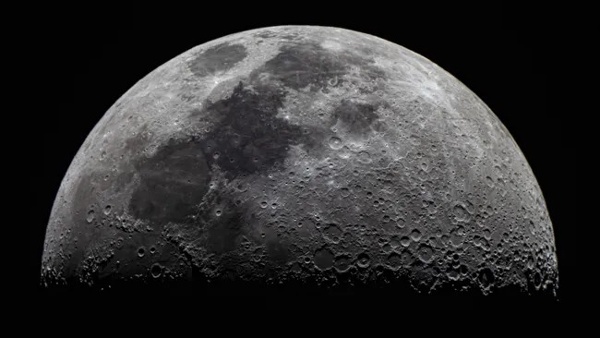
Space Quiz! What geological feature creates the 'man in the moon' phenomenon?
Learn the answer here!
VoteLunar Maria
VoteLunar Core
VoteLunar Crust
VoteLunar Craters
NASA space science groups pause work amid Trump orders
(NASA)
There is a good chance of seeing the northern lights from high-latitude regions tonight as geomagnetic activity remains unsettled. Earth is still feeling the effects of the fast solar wind stream from a coronal hole but solar wind speeds are gradually slowing down and will likely return to normal by Feb. 5.
Read More
Email
Skywatching
Northern lights forecasts, alerts, and geomagnetic warnings
(Space.com / Josh Dinner)
A giant coronal hole is currently aiming aurora-sparking solar wind directly at Earth. The incoming solar wind is expected to arrive around Jan. 31 to Feb. 1.
Full Story: Space (11/18) 
Spaceflight
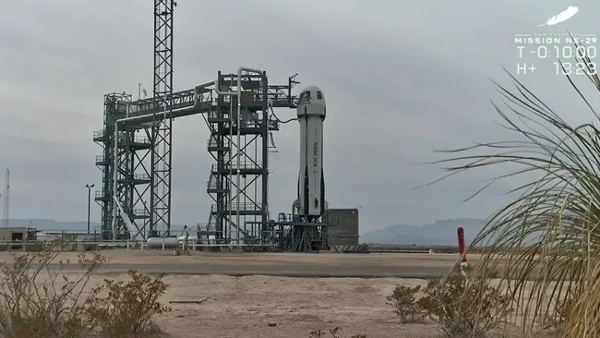
Blue Origin to launch New Shepard moon-gravity mission
(Blue Origin)
Blue Origin is now targeting today for its first-ever moon-gravity mission. The company first tried to launch the NS-29 mission on Jan. 28, but called was off due to uncooperative weather. Now, plans to fly the uncrewed NS-29 on Tuesday morning.
Full Story: Space (2/3) 
Email
Science & Astronomy
Is the moon still geologically active? Evidence says maybe
(LeonardoFernndezLzaro / 500px via Getty Images)
The moon may still be geologically active, judging from the way the lunar far side is wrinkling as the moon contracts. At least, that's what planetary scientists who have discovered 266 lunar "wrinkle ridges," say, as all of these ridges appear to have formed during the past 160 million years in the rare volcanic plains on the lunar far side.
Full Story: Space (2/3) 
Email
SpaceX
SpaceX launches 21 Starlink satellites from Florida (photos)
(SpaceX)
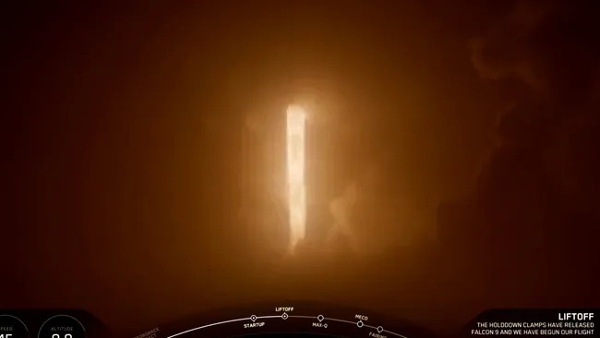
SpaceX launched another batch of Starlink satellites to orbit from Florida's Space Coast early this morning (Feb. 4). A Falcon 9 rocket carrying 21 Starlink spacecraft, including 13 with direct-to-cell capability, lifted off from Cape Canaveral Space Force Station today at 5:14 a.m. EDT (1014 GMT).
Full Story: Space (2/2) 
Search for Life
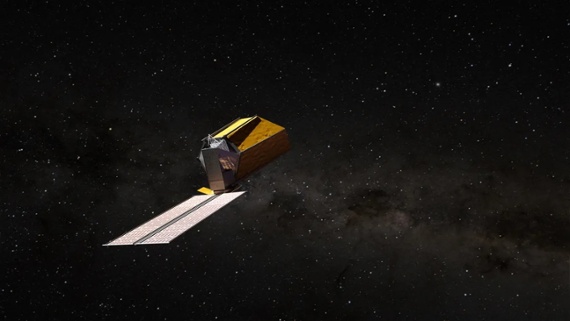
NASA wants a 'Super-Hubble' to search for alien life
(NASA's Goddard Space Flight Center Conceptual Image Lab)
Called the Habitable Worlds Observatory, the telescope is so massive it may even need to ride a next-gen megarocket like SpaceX's Starship to reach space.
Full Story: Space (1/16) 

Laws of Chaos: What Makes the Theory of Disorder So Shocking?


Laws of Chaos: What Makes the Theory of Disorder So Shocking?

 Introduction to Chaos Theory
Imagine a world where a simple flap of a butterfly's wings in Brazil could trigger a tornado in Texas. It sounds like the plot of a wild science fiction movie, but this is the essence of chaos theory—a captivating realm where the tiniest changes can lead to monumental consequences. Have you ever wondered how a seemingly trivial event can spiral into chaos? Welcome to the enchanting universe of chaos theory, where unpredictability reigns supreme and order is merely an illusion!
Chaos theory, born from the fertile minds of mathematicians and scientists, challenges our understanding of how the universe operates. Its origins can be traced back to the pioneering work of Henri Poincaré in the late 19th century, who first hinted at the complex dance of dynamical systems. Fast forward to the 1960s, when Edward Lorenz, a meteorologist with a penchant for adventure, stumbled upon the butterfly effect while running weather simulations on his computer. He discovered that tiny variations in initial conditions could drastically alter the outcomes—like a cosmic game of telephone gone awry!
At the heart of chaos theory are three essential concepts that will tickle your intellect: sensitivity to initial conditions, nonlinearity, and unpredictability. Sensitivity to initial conditions means that even the smallest change can lead to vastly different results. Think of it like baking a cake; forgetting a pinch of salt might not seem like a big deal, but it could transform your dessert from delightful to disastrous! Nonlinearity, on the other hand, reveals that relationships in chaotic systems are not proportional—sometimes, a small input leads to a massive output, while other times, it fizzles into nothingness. Finally, unpredictability reminds us that some things are simply beyond our grasp, no matter how hard we try to control them.
The significance of chaos theory stretches far and wide, impacting fields such as physics, mathematics, and biology. In physics, it helps explain complex phenomena like turbulence in fluids, while in biology, it sheds light on population dynamics and the unpredictable nature of ecosystems. It even plays a role in economics, where market fluctuations can resemble a chaotic dance rather than a predictable pattern.
As we embark on this thrilling adventure through the labyrinth of chaos theory, prepare to have your mind blown by its shocking implications. It challenges traditional scientific views, urging us to reconsider our understanding of order and disorder in the universe. So, buckle up and get ready to explore the delightful chaos that shapes our world—who knows what wonders await us around the next corner!

The Nature of Disorder
When we think of disorder, our minds often conjure images of chaos: a whirlwind of papers strewn across a desk, children’s toys scattered in every corner, or perhaps a kitchen after an ambitious baking experiment. But in the scientific realm, disorder takes on a more complex and fascinating identity, primarily through the lens of entropy and thermodynamics. Entropy, the measure of disorder in a system, tells us that everything in the universe tends to move from order to chaos. Imagine a perfectly organized closet that over time becomes a jumbled mess of clothes—this is entropy in action!
But why does this matter? Well, understanding entropy helps us grasp the fundamental behavior of energy and matter in our universe. It’s like the universe’s way of saying, “Embrace the mess; it’s part of the cosmic plan!” As systems evolve, they naturally seek higher entropy, leading to a delightful dance of disorder that shapes everything from the stars in the sky to the cells in our bodies.
Now, let’s take a closer look at how disorder manifests in the natural world. Picture a storm brewing on the horizon. Weather patterns are a perfect example of chaotic systems where disorder reigns supreme. A slight shift in temperature or humidity can lead to a thunderstorm or a serene sunny day. Similarly, ecosystems thrive on a delicate balance of order and chaos. Species interact in unpredictable ways, leading to a vibrant tapestry of life that is both beautiful and chaotic. It’s as if nature plays a game of Jenga—one wrong move, and the whole structure could tumble down!
As we delve deeper, we encounter the role of randomness and unpredictability in chaotic systems. Life is full of surprises, much like a box of chocolates—you never know what you’re going to get! Randomness is the spice of life, and in chaotic systems, it can lead to unexpected outcomes. From the fluttering of a butterfly’s wings to the unpredictable paths of particles in a gas, randomness is the wild card that keeps our universe exciting and ever-changing.
Now, let’s bring this concept closer to home. Everyday life is rife with examples of disorder. Think about traffic patterns during rush hour: one minor accident can create a ripple effect, turning a smooth commute into a frustrating crawl. Similarly, stock markets can be volatile, with prices swinging wildly based on news, rumors, or even social media trends. It’s a chaotic ballet of supply and demand, where order can dissolve in an instant.
Finally, we must ponder the philosophical implications of disorder: the eternal debate of free will versus determinism. If our lives are influenced by chaotic systems and randomness, to what extent do we truly control our destinies? Are we the masters of our fate, or are we merely leaves blown by the winds of chaos? This question invites us to reflect on our place in the universe and the nature of our existence.
In this grand tapestry of disorder, we find ourselves at the intersection of chaos and control, where the unpredictable nature of life challenges our perceptions and invites us to embrace the beautiful messiness of it all.

Mathematical Foundations of Chaos
Welcome to the mathematical wonderland of chaos theory, where numbers and patterns dance in delightful disarray! At the heart of this fascinating realm lies the concept of fractals—geometric shapes that exhibit self-similarity across different scales. Imagine a snowflake: no two are alike, yet each one reflects the same intricate design. Fractals reveal the hidden order within chaos, demonstrating how complex structures can emerge from simple rules. It’s like discovering a secret recipe for a cake that, when baked, reveals layers of flavor and texture that leave you in awe!
Fractals are not just pretty pictures; they have profound implications in chaos theory. They help us visualize and understand chaotic systems, illustrating how small changes can lead to vastly different outcomes. Think of them as the artistic expression of mathematics, where each iteration brings forth a new layer of complexity. The beauty of fractals lies in their ability to bridge the gap between order and chaos, inviting us to explore the intricate patterns that shape our universe.
Now, let’s flutter into the realm of the butterfly effect, a term coined by Edward Lorenz. This captivating concept illustrates how a tiny alteration in initial conditions can lead to significant changes in outcomes. Picture a butterfly flapping its wings in one part of the world, causing a chain reaction that ultimately results in a hurricane elsewhere. Mathematically, this phenomenon is often represented through differential equations, which describe how systems evolve over time. It’s a reminder that even the smallest actions can create monumental shifts—like a pebble dropped into a still pond, sending ripples far and wide.
To better understand chaos, we must delve into key equations and models that have become the backbone of this field. The logistic map, for example, is a simple yet powerful equation that models population growth. It beautifully illustrates how a population can stabilize, oscillate, or even spiral into chaos depending on its growth rate. Then there’s the Lorenz attractor, a stunning visualization of chaotic behavior in a three-dimensional space. These mathematical models serve as windows into the chaotic nature of reality, allowing us to grasp the underlying principles at play.
But how do we truly comprehend chaos? Enter the world of simulations and computer modeling! These tools have revolutionized our understanding of chaotic systems, enabling us to visualize complex behaviors that would otherwise remain hidden. By running simulations, we can experiment with different variables and observe how they influence outcomes. It’s like playing a video game where each choice leads to a unique adventure, revealing the unpredictable nature of chaos.
As we explore the mathematical foundations of chaos, we encounter a challenge to traditional linear models. In a linear world, cause and effect follow a straight path, predictable and tidy. However, chaos theory shatters this illusion, revealing that reality is often nonlinear and full of surprises. This shift in perspective invites us to rethink our approaches in science, engineering, and beyond, embracing the complexities and uncertainties that define our existence.
In this thrilling mathematical journey, we uncover the intricate connections between chaos and order, paving the way for new insights and discoveries. As we continue to explore the depths of chaos theory, we find ourselves captivated by the beauty of mathematics and its ability to illuminate the mysteries of our universe.

Applications of Chaos Theory
As we journey deeper into the practical world of chaos theory, we uncover its remarkable applications across various fields, showcasing its transformative power. One of the most significant areas where chaos theory has made a profound impact is meteorology. Weather prediction, a notoriously tricky endeavor, has greatly benefited from chaos theory's insights. By understanding the sensitive dependence on initial conditions—where small changes can lead to drastically different weather outcomes—meteorologists can refine their models and improve the accuracy of forecasts. Imagine waking up to a sunny day instead of a downpour; chaos theory is working behind the scenes to make that happen!
The importance of chaos theory in meteorology extends beyond mere predictions. It helps scientists analyze complex atmospheric patterns, enabling them to identify potential severe weather events, such as hurricanes and tornadoes, before they strike. By harnessing the power of chaotic models, meteorologists can save lives and minimize property damage, turning chaos into a tool for safety and preparedness.
Moving from the skies to the ground, chaos theory also finds its place in engineering. In a world where systems must be resilient to unpredictable forces, understanding chaos becomes paramount. Engineers apply chaos theory principles to design structures and systems that can withstand unexpected stresses, such as earthquakes or extreme weather. By embracing the chaotic nature of the environment, engineers can create buildings and infrastructure that are not only functional but also robust and adaptable. It’s like crafting a sturdy ship to navigate the unpredictable seas of life!
In the realm of biology, chaos theory reveals the intricate dynamics of populations and ecosystems. The interactions among species can lead to unpredictable fluctuations in population sizes, highlighting the delicate balance of nature. By applying chaos theory, biologists can better understand these dynamics, leading to more effective conservation strategies and ecosystem management. It’s a reminder that nature is a complex web of relationships, where chaos and order coexist harmoniously.
Financial markets, too, have not escaped the influence of chaos theory. Traders and analysts use its principles to decipher market behavior, seeking patterns in the seemingly random fluctuations of stock prices. By identifying chaotic trends, they can make informed decisions, potentially predicting market movements with greater accuracy. It’s a high-stakes game where understanding chaos can mean the difference between profit and loss, turning the unpredictable nature of finance into a strategic advantage.
Looking ahead, the potential applications of chaos theory in technology are vast and exciting. In fields like cryptography and information theory, chaos theory can enhance security measures and data encryption techniques. By leveraging chaotic algorithms, information can be scrambled in ways that are nearly impossible to decode without the proper key. This adds an extra layer of security in a digital age where data breaches are all too common.
As we explore these diverse applications of chaos theory, we see its ability to transform our understanding of the world around us. From improving weather forecasts to designing resilient engineering systems, from unraveling the mysteries of biological dynamics to navigating the complexities of financial markets, chaos theory offers us invaluable tools. Embracing chaos allows us to adapt, innovate, and thrive in an ever-changing landscape, reminding us that even in disorder, there lies the potential for profound insight and progress.

Philosophical and Ethical Implications
As we delve into the philosophical and ethical dimensions of chaos theory, we find ourselves grappling with profound questions about the nature of reality and our place within it. Chaos theory challenges our traditional understanding of existence, suggesting that the universe is not a neatly ordered machine but rather a complex tapestry woven from threads of unpredictability and randomness. This perspective invites us to reconsider the very fabric of reality, recognizing that chaos is an inherent part of life. It’s as if we’ve been handed a new lens through which to view the world, revealing the beauty in its unpredictability.
This shift in understanding has significant implications for scientific determinism and predictability. For centuries, the scientific community has largely operated under the assumption that if we know the initial conditions of a system, we can predict its future behavior with certainty. However, chaos theory disrupts this notion, illustrating that even minute variations can lead to vastly different outcomes. This realization encourages humility in our scientific pursuits, reminding us that while we strive for knowledge and control, the universe often has other plans. It’s a humbling reminder that certainty is an illusion, and unpredictability reigns supreme.
As we apply chaos theory across various fields, ethical considerations emerge. In technology and governance, for instance, the power of chaotic models can be a double-edged sword. While these models can enhance decision-making and improve systems, they also raise questions about accountability and responsibility. If a chaotic model leads to unintended consequences, who bears the burden of those outcomes? Navigating these ethical dilemmas requires careful consideration and a commitment to transparency, ensuring that the application of chaos theory serves the greater good rather than exacerbating existing inequalities.
Moreover, chaos theory finds a fascinating interplay with creativity in art and culture. Artists often embrace chaos as a source of inspiration, using randomness and unpredictability to fuel their creative processes. Just as a painter might allow paint to drip and blend in unexpected ways, chaos theory encourages us to explore the unknown and embrace the beauty of imperfection. This relationship between chaos and creativity reveals that disorder can lead to innovation, pushing the boundaries of artistic expression and cultural evolution.
Looking to the future, chaos theory raises intriguing philosophical questions that invite further exploration. How do we reconcile the chaotic nature of existence with our desire for meaning and order? What role does free will play in a world governed by chaotic systems? These questions challenge us to reflect on our beliefs and assumptions, pushing the boundaries of philosophical inquiry.
In this ever-evolving dialogue between chaos theory and philosophy, we find ourselves at the intersection of science, ethics, and creativity. As we navigate this complex landscape, we are reminded that chaos is not merely a force to be controlled but a fundamental aspect of existence that can inspire growth, innovation, and deeper understanding. Embracing chaos opens new avenues for exploration, inviting us to engage with the mysteries of life and our place within the grand tapestry of the universe.

In the grand scheme of chaos theory, it turns out that even the universe has a sense of humor. Imagine a universe where a butterfly's wing flap could lead to a tornado—or worse, your coffee going cold just as you sit down to enjoy it! This delightful unpredictability invites us to embrace the chaos in our lives, reminding us that sometimes, the best moments come from the unexpected. So, if you’ve enjoyed this exploration of chaos, don’t forget to like, share, and comment below! Let’s keep the conversation going—who knows what delightful surprises await us next?

Parallel Universes: Reality Or Just A 'Quantum Illusion' Of Our Minds?

   Imagine a universe where every decision you make spawns a new reality, where you’re not just one version of yourself but an entire ensemb...